SEO and AI
How to get your business into ChatGPT and Google’s AI answers
Your customers now ask an AI before they click on any website. Here is what Google and OpenAI say it takes to be cited, and what is just a sales pitch.

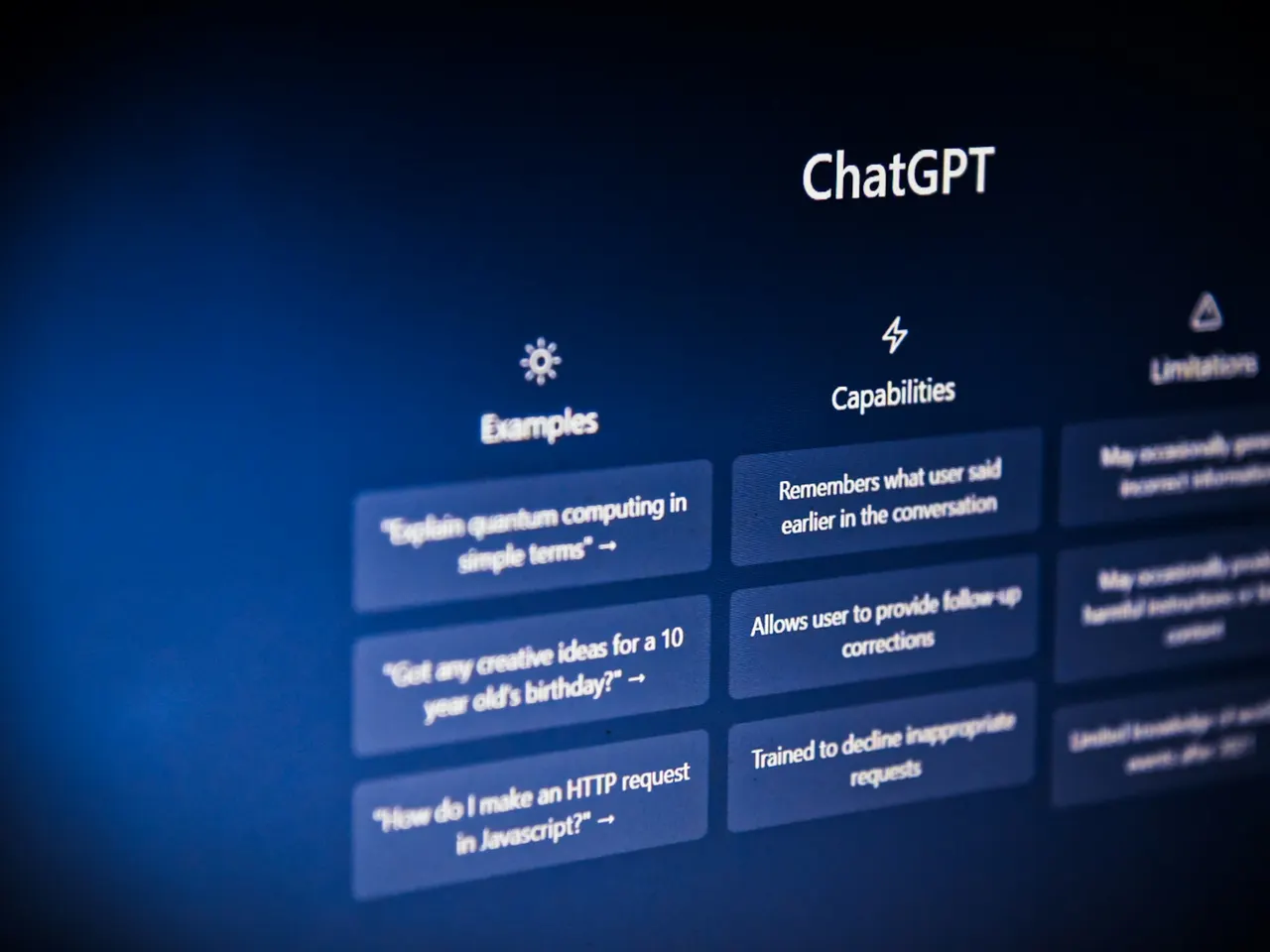
Quick answerThere is no trick and no special file. Google states that there are no extra requirements to appear in its AI summaries: the page has to be in the index and eligible to show up in regular search. For ChatGPT, your website has to allow OpenAI’s search crawler. The rest is what has always worked: answer the customer’s question well, with data, and get mentioned by others.
Why this matters now
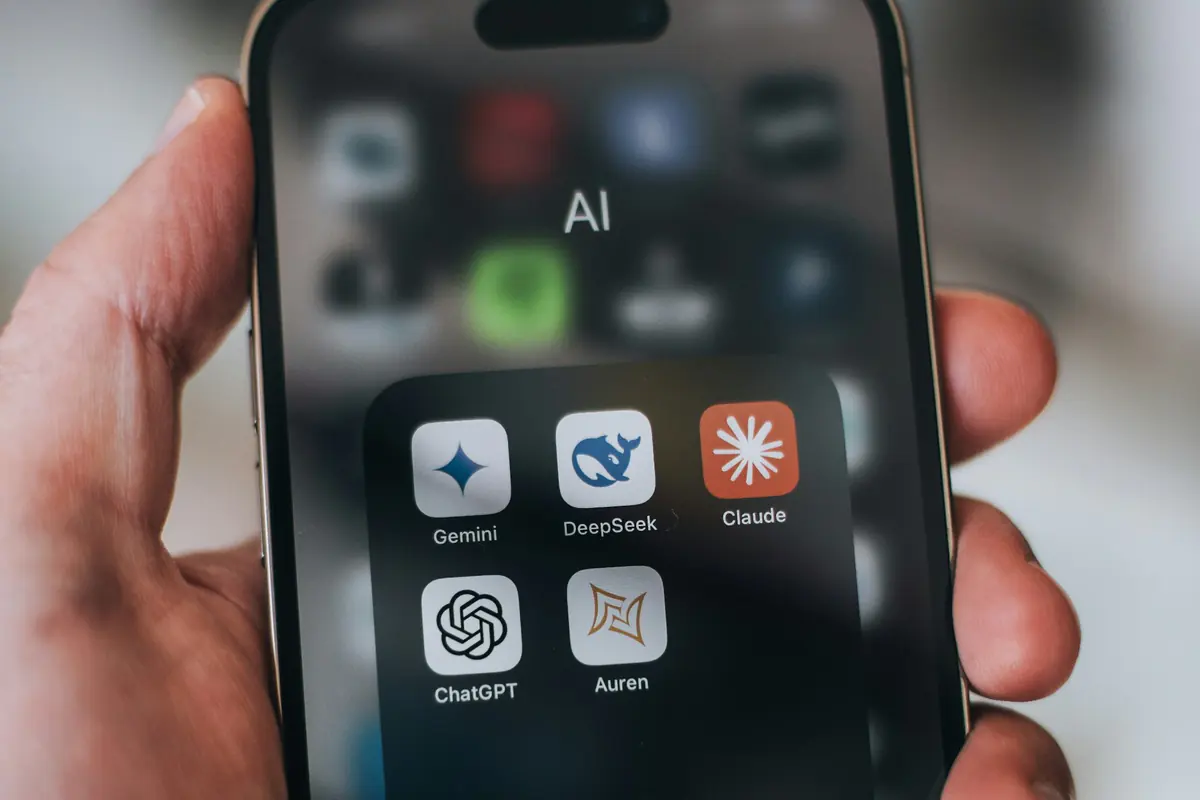
Search has changed shape. Instead of ten links, people get a ready-made answer with a handful of cited sources. If you are among those sources, you are seen. If you are not, you disappear, even with a good ranking.
In the same company’s previous study, from April 2025, the drop was 34.5%. The effect grew in less than a year.
Sources: Pew Research Center, July 2025, with 900 U.S. adults, and BrightLocal, 2026 survey of U.S. consumers. Click study: Ahrefs.
How AI tools choose who to cite
Each company has published its own rules, and both are simpler than they look.
Google (AI Overviews and AI Mode)
Google’s documentation says there are no additional requirements and no special optimizations. To be shown as a supporting link, a page needs to be indexed and eligible to appear in search with a text snippet. If you do not show up in regular search, you will not show up in the AI answer.
ChatGPT
OpenAI’s documentation describes two separate crawlers. OAI-SearchBot is the one that makes websites appear in ChatGPT’s search results, and the recommendation is to allow it in your robots.txt file. GPTBot collects content to train the models. These are separate decisions: you can block training and still show up in search.
This work already has a name: GEO
You will hear about GEO, short for generative engine optimization. The term comes from a study by researchers from Princeton and other institutions, presented at the KDD 2024 conference. The authors showed that content changes can increase a page’s visibility in AI answers by up to 40%, and they note that the effect varies by topic. GEO does not replace SEO: under the Google and OpenAI rules above, the foundation is still being in the index and answering the question well.
The 7 steps to get your business cited
-
Make sure Google can see your website
Search for
site:yourdomain.comon Google. If your pages show up, you are in the index. If nothing shows up, fix that before anything else: our guide on why a website does not show up on Google walks through the 9 most common causes. -
Allow the right crawlers
Open
yourdomain.com/robots.txt. It must not block Googlebot or OAI-SearchBot. According to OpenAI, a change to this file takes about 24 hours to take effect. -
Answer the question right away, in text
Open each page with the answer in two or three sentences and add the detail afterwards. Google recommends keeping important content in text form. What exists only in an image or a video, the AI does not read.
-
Use numbers with sources and show who wrote it
A sentence like "53% of Brazilian companies have a website (Cetic.br, 2025)" is easy to cite. "Lots of companies have no website" is not. Add the author’s name and the date.
-
Keep your business details the same everywhere
Name, phone number, city and description need to match on your website, your Google Business Profile and your social media. Google asks for profile information to be kept up to date. Conflicting details create doubt, and when in doubt, the AI cites someone else.
-
Keep structured data in line with the visible text
Structured data (schema) tells machines what each part of the page is: business, service, question and answer. Google asks for it to match what visitors see. Schema that promises what the page does not show does more harm than good.
-
Get mentioned outside your own website
Customer reviews, case studies published by the people you worked for, stories in local news. AI cross-checks sources. A business that only talks about itself gives it little to cross-check.
What does not work
- A magic file. Google says there is no need to create new machine-readable files, AI text files or special markup. Our own website has an
llms.txt. It does no harm, but it is not what gets anyone cited. - Mass-produced text with no review. A hundred generic pages do not answer better than five good ones. AI answers cite whoever explains things clearly.
- Guaranteed placement. Nobody controls what the AI answers. Whoever sells a guarantee is selling something they do not have.
How to know it is working
Google says that appearances in AI features are included in the Performance report in Search Console, under the "Web" search type. In other words, there is no separate dashboard, and the impression count already includes the summaries.
The simplest test is manual. Once a month, ask ChatGPT and Google the questions a customer would ask, such as "who builds websites for dental clinics in Austin". Write down who gets cited. If it is not you, look at what the cited pages have that yours does not.
Want to know how your business shows up today?
The free assessment shows whether Google and AI tools can read your website and what to fix first.
Frequently asked questions
Do I need to pay to show up in ChatGPT answers?
No. ChatGPT’s search answers cite pages that OAI-SearchBot can read. What matters is that your website allows this crawler and has content that answers the question.
Does blocking GPTBot remove my website from ChatGPT?
No. According to OpenAI, GPTBot is used to train the models, and OAI-SearchBot is what brings websites into ChatGPT’s search results. You can block one and allow the other.
How long does a change to my website take to show?
Google says some changes take effect in a few hours and others take months, and recommends waiting a few weeks before evaluating. In ChatGPT search, a robots.txt change takes about 24 hours to apply.
Sources for this article: Aggarwal et al., GEO: Generative Engine Optimization, KDD 2024; Google Search Central, AI features and your website; OpenAI, overview of crawlers; Google, SEO starter guide; Ahrefs; Pew Research Center; BrightLocal.
Know someone who needs to read this?
Share it. If you use any data point, cite the original source and, if you can, this article.
Founder of Mr. Hermys, a digital marketing agency from Volta Redonda, Brazil. Builds websites and handles SEO and paid ads, working 100% online.